
On Going back to Work
Reflections on returning after a long time away

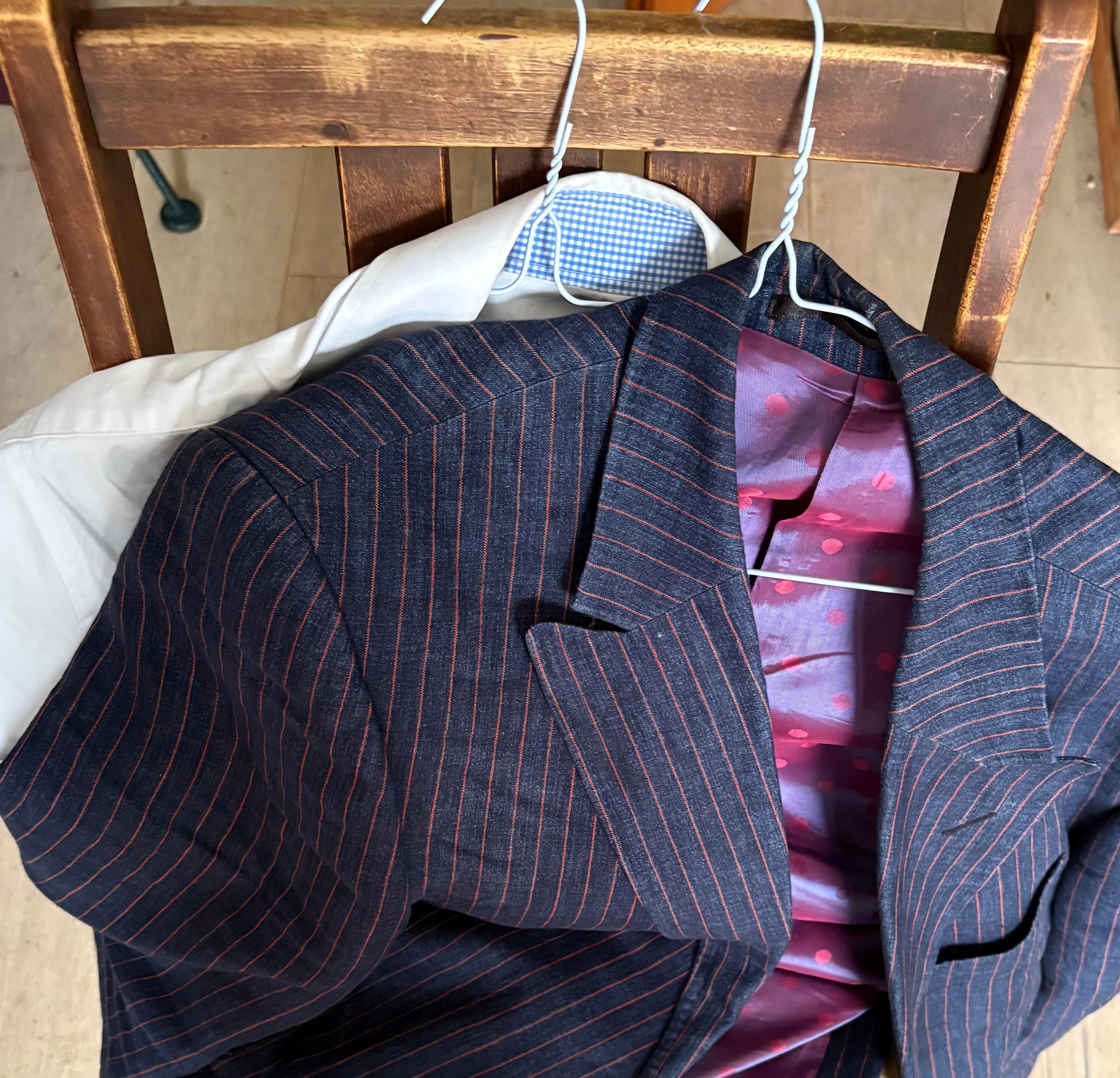
After my illness last year, I didn’t think I would ever return to work. The illness cost me something; I’d been feeling for many months a tiredness so heavy that it demanded an explanation. After my diagnosis, I was in hospital for six weeks. Chemotherapy, I endured by sleeping at it and the hot summer gave me a further excuse to rest. When I woke, I was so stiff that I couldn’t reach down to pick up my shoes from the floor. And yet, after all of that, a year later I’m going back.
Being at work will mean that I write less. And yet I love writing, it’s one of my greatest joys. There’s nothing better than that feeling of intense focus, of stepping away from your waking mind, of giving up all the tension in your body the pain the self-defeating, needle of always-expanding internalised production. It’s nine in the morning, why haven’t I produced anything yet, why haven’t I shared it with the world? When I write for myself, that’s the pressure I’ve been feeling on my shoulders, on the back of my neck. I breathe in, I concentrate. I let myself go…
Writing is a trap. The way it’s mediated, you have no choice. Writing often (which I do) means writing literally, it means never finding the most satisfying words. Writing often means having more words to offer than my audience will read. At work, I’ll be writing less. It will be good for my readers and good for me if - for some short time - I’m mute.
It’s not as if lawyers are wordless. I’m too much of an introvert to be looking forward to all the law’s endless performing. Yes, Your Ladyship, No Your Honour. I do believe though that I have unfinished business: employers I mean to frustrate, personnel managers I intend to undermine, landlords whose business I plan to expose.
Being ill disturbed me. It shorted, deep in my brain, some circuit of whose presence I wasn’t aware beforehand. Often, when you talk to people who’ve lived through the menopause, they describe a feeling in which for decades life itself has been a story of them doing the emotional work so that others can be happy. Midway through the menopause, my friends carry such a degree of pain in their own bodies that they can’t play the role of nurturers as they did before. More than that, they don’t want to. Several have described this emotion to me of no longer worrying what friends or parents or children think. For quite a number, it’s been a liberation. Cancer was, for me, a similar freeing.
I’ve stared at the charts, sat calculating my own mortality. I’ve been for many afternoons this year incontinent, I’ve walked through London’s daylight streets, my clothes stained within my own shit. I have humiliated myself but afterwards – it wasn’t so bad.
A great deal of what you see in British courts over the past five years is conformism based on fear: lawyers’ unwillingness to be shouted at, to look stupid. Think what it’s like if you’re a migrant, if you’re trans, if you want to stop Israel’s war or our complicity, the worst bullies in Britain aren’t Starmer or Farage or the crowd summoned onto the streets by Robinson. It’s the middle aged men in violet robes, horsehair on the head.
As I head back to work, any fear I felt has been lifted. Think of the nastiest things they could do; I’ve been there already – suffered worse and lived.
Thanks for this candid post. If you haven't already, it might be worth exploring in more depth how your experience relates to Marxist conceptions of disablement and debility under capitalist relations of labor. For instance, https://www.haymarketbooks.org/books/1289-capitalism-and-disability. I think there's potentially fruitful connections to be made.
And many will be glad of your return including thosevwho do not know it yet.